


More about The Early Neurodiversity Company
My journey as a mother to three highly sensitive, neurodivergent boys has endowed me with an intimate understanding of the challenges families face.
Now, I'd like to help you.



Our mission
Changing the paradigm of how we recognize and support neurodivergence in babies—from birth.
There is no harm in supporting a baby as if their nervous system matters. There is no harm in honoring sensory sensitivities, protecting sleep, investigating red flags, and building regulation skills early—even if that child never goes on to receive a formal diagnosis. Responsive, neurodiversity-affirming support benefits every developing brain. What does cause harm is dismissal. What causes harm is “wait and see.” When a neurodivergent baby is denied support because they are considered too young for a label, critical windows for regulation, feeding, airway health, and attachment-informed care are missed. Early support is not about labeling — it is about protecting development, preserving connection, and ensuring no child is left to struggle simply because they are young.
For too long, highly sensitive and neurodivergent infants have been dismissed, minimized, or mischaracterized. Parents are told it’s “just colic.” They’re advised to wait it out. They’re encouraged to implement behavioral sleep training without a thorough evaluation of feeding, airway, sensory processing, nervous system regulation, or early developmental differences.
I believe we can—and must—do better.
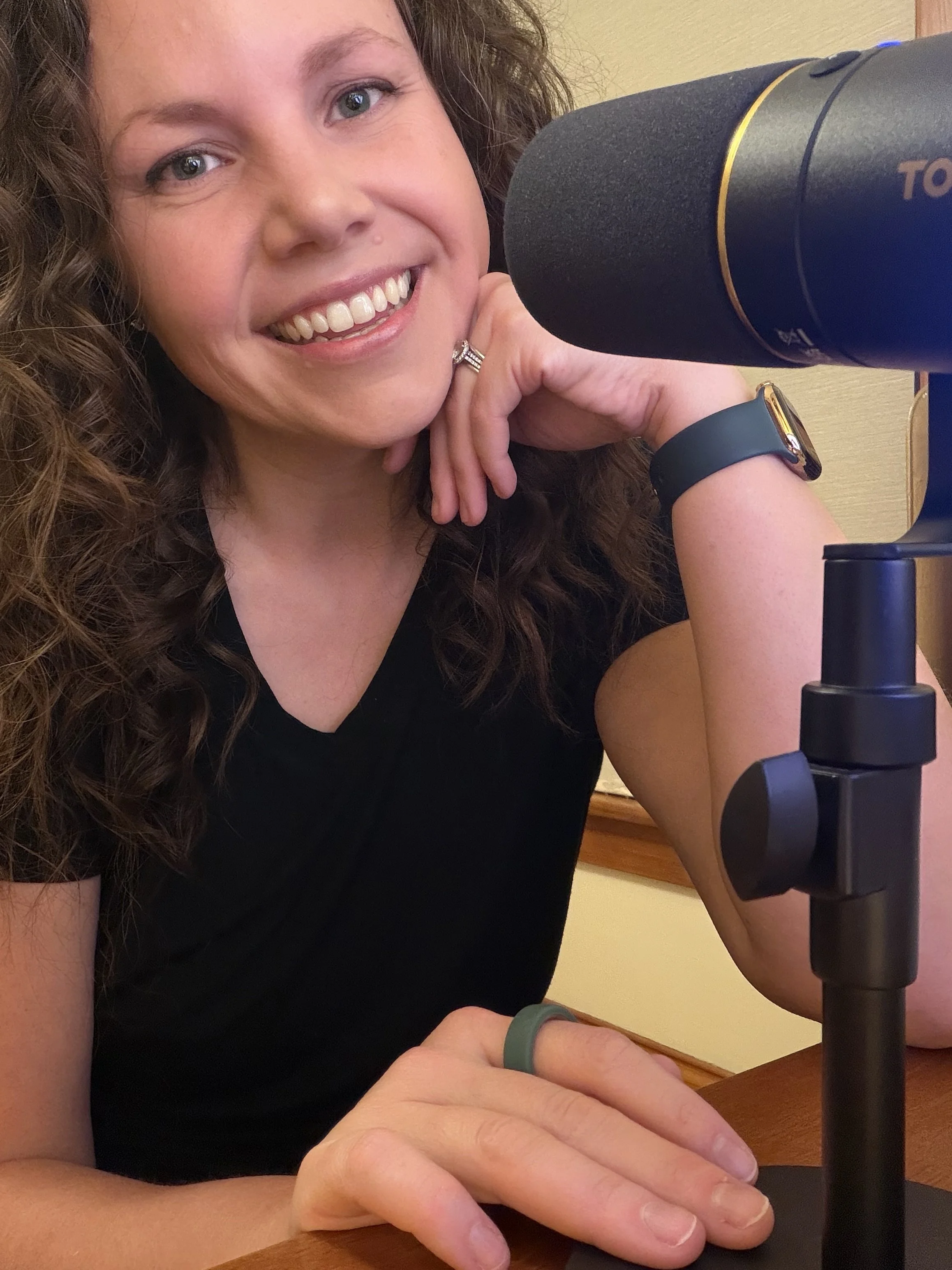
Lauren, Founder
I was dismissed for nearly a year while my baby struggled with sleep, feeding, airway, and sensory challenges. The red flags were there—they just weren’t investigated. Now, I help families identify those signs early, rule out underlying concerns, and walk into appointments prepared with the language to advocate confidently.
My passion lies in supporting families of highly sensitive, neurodivergent, and complex infants and young children by helping them understand what is happening beneath the surface. While sleep is often the entry point, our work extends into nervous system regulation, sensory processing, feeding dynamics, temperament, attachment, and early developmental support. Together, we focus on what your child’s physiology is communicating, what your family truly needs, and how to create sustainable rhythms that support both connection and restorative rest.
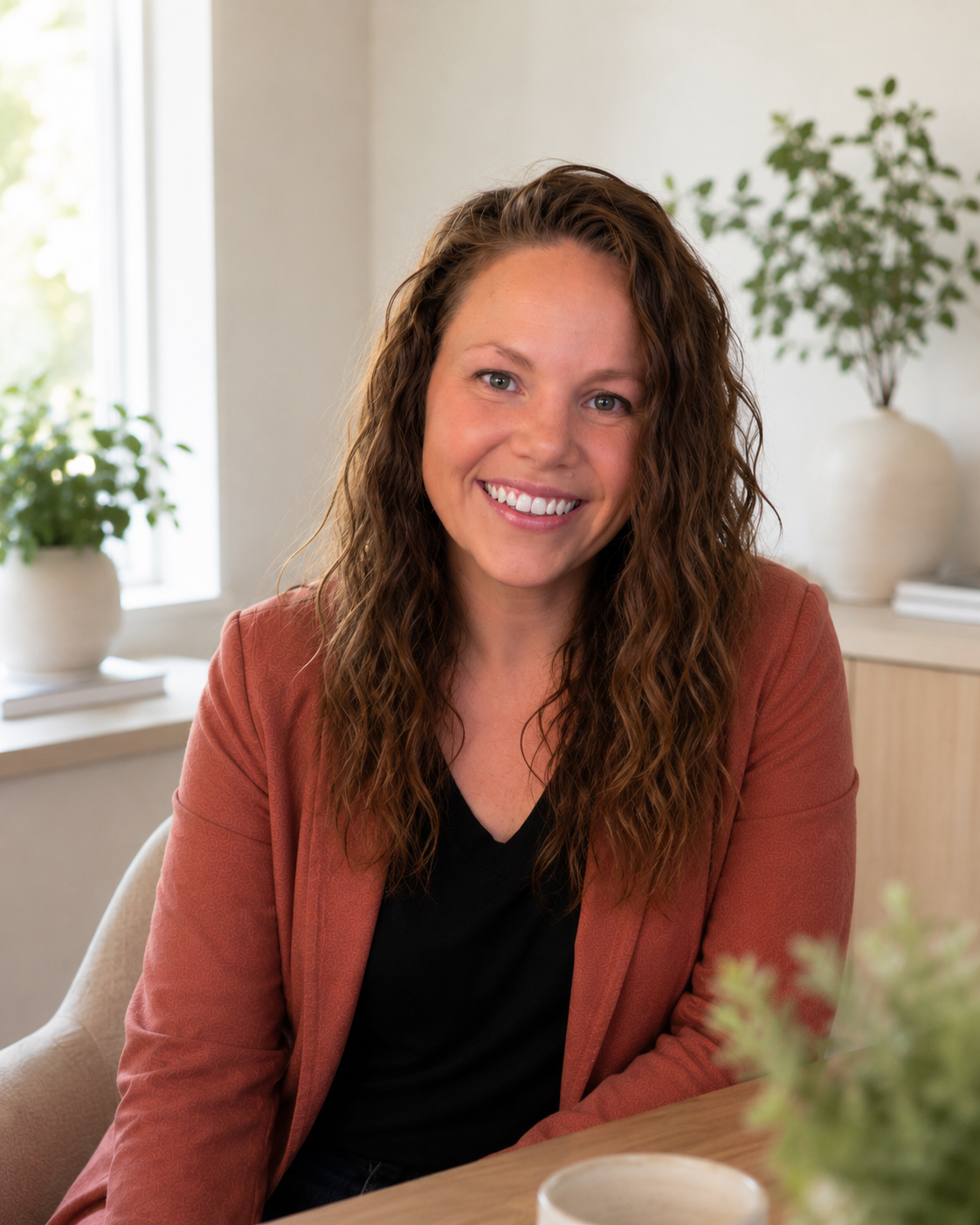

More about me
I live just outside Kansas City with my husband, our three neurodivergent boys, two dogs, and a small flock of seven backyard chickens. My life is full, loud, sensory-rich, and deeply rooted in the realities of parenting children whose needs don’t fit neatly into conventional advice.
When my youngest son was born in 2021, I believed I was prepared. I had taken the classes. I understood “eat, play, sleep.” I had the apps, the schedules, the tracking systems. I was ready to nurture independence and follow every rule I had been taught.
And then he arrived.

He cried inconsolably. He barely slept. He could not tolerate the stroller, the car, or being put down. Feeding was complicated.
My anxiety spiraled. Well-meaning advice flooded in: be more consistent, let him cry, stop breastfeeding, he’ll grow out of it. Medical professionals reassured me that “all babies do that.” I was told to watch and wait.
But frequency matters. Intensity matters. Persistence matters.
My healthcare team missed my severe postpartum depression and anxiety. They also failed to help me meaningfully evaluate what was happening with my baby. What I now recognize as early nervous system differences were minimized under labels like “colic” or “normal variability.”
So I did what nurses do. I researched. I studied attachment theory, sensory processing, co-regulation, epigenetics, airway considerations, infant feeding mechanics, and early neurodevelopment. We worked with early childhood educators, occupational therapists, physical therapists, speech therapists, and lactation professionals. I began to understand that my son was not difficult. He was neurologically different. And he needed support that honored that reality.
In 2022, I founded Spirited Baby Sleep & Wellness to support parents of highly sensitive and neurodivergent children struggling with sleep. Sleep was the doorway. It still is. Most families find me because their baby is waking hourly, resisting sleep, restless, mouth breathing, feeding constantly, or crying far beyond what feels manageable.
Over the past four years, my work has evolved significantly.
Sleep struggles are rarely isolated. They intersect with feeding mechanics, sensory processing, regulation capacity, temperament, developmental coordination, airway health, family systems, and provider dynamics. Parents were not just asking how to get more sleep. They were asking whether something deeper was being missed.
Enter The Early Neurodiversity Company.
My work now centers on integrative early support for babies and young children from birth through age six who are highly sensitive, neurodivergent, medically complex, or simply not aligning with the reassurance they’ve been given. I conduct comprehensive consultations that include detailed sleep analysis, sensory and temperament profiling, feeding assessment considerations, red flag screening, and referral guidance for Early Intervention, occupational therapy, physical therapy, speech therapy, or further medical evaluation when appropriate.
I help parents identify patterns, articulate concerns clearly, and advocate confidently when providers are dismissive. There is no “watch and wait” when persistent dysregulation is present. There is no minimizing chronic hourly waking, airway symptoms, feeding difficulty, or sensory overload. There is only informed, physiology-driven support rooted in nervous system science and attachment.
I am still deeply committed to responsive sleep support. There is no behaviorist sleep training here. No separation-based tactics. No timers. But there is structure, data, developmental context, and practical implementation.
Most importantly, there is partnership.
Because I remember what it felt like to be told that everything was normal while my nervous system and my baby’s were unraveling.
You are not overreacting. Your baby is not broken. And early support changes trajectories.
This is not just sleep anymore.
This is early neurodevelopment, informed consent, and advocacy from the very beginning.

Our Dream Team

Taylor
Mom, Pediatric Sleep Specialist, CLC
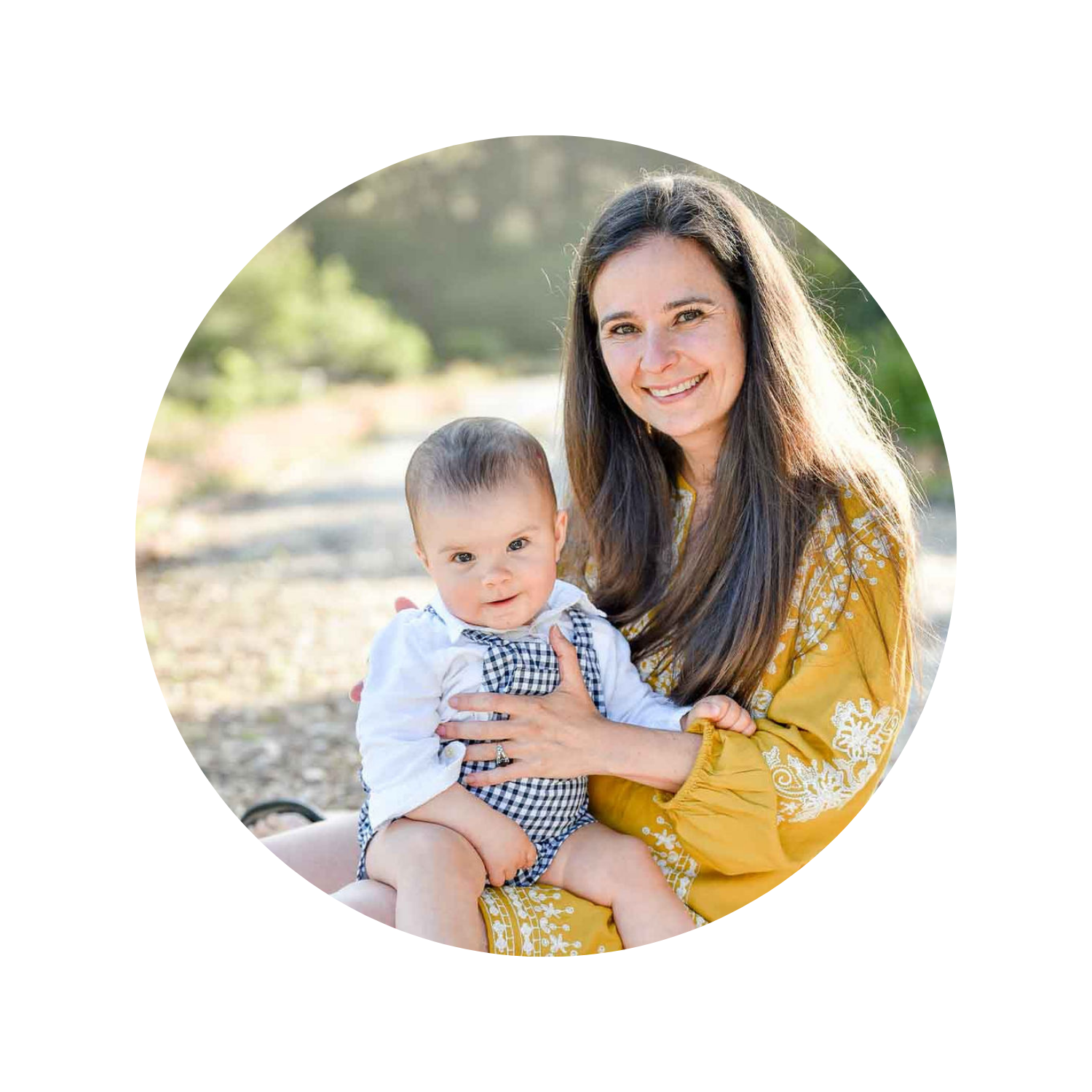
Seugnet
Mom, Pediatric Sleep Specialist, Licensed Therapist
“Before working with Lauren, we were exhausted and starting to believe we were the problem. Our toddler was waking constantly, thrashing in his sleep, snoring, mouth breathing, and melting down daily. We were told over and over that “some kids are just bad sleepers” and that he would grow out of it. Lauren was the first person who didn’t minimize what we were experiencing.
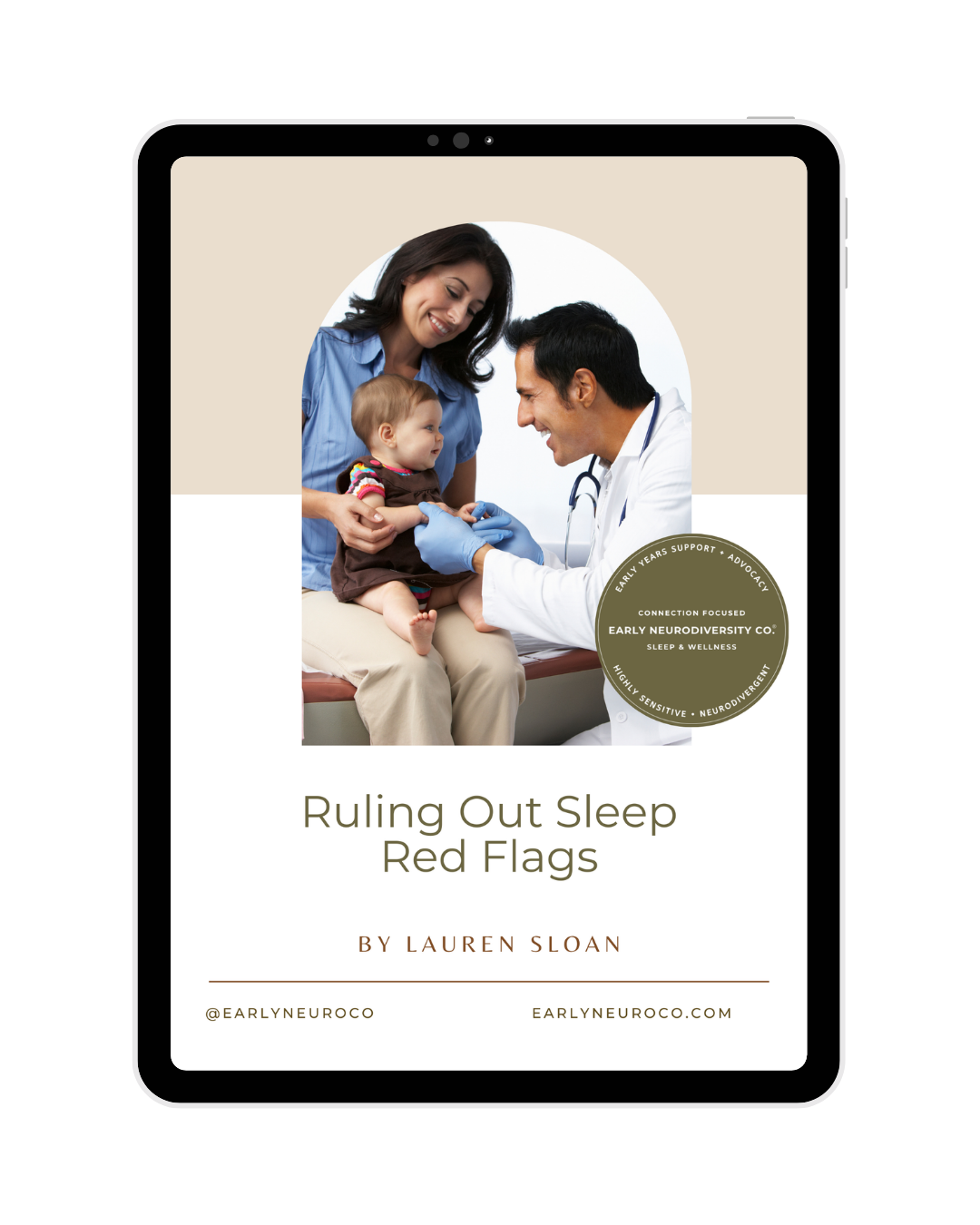
Instead of jumping straight into a sleep plan, she helped us rule out red flags. She walked us through what to document, what labs to request, and how to clearly communicate our concerns to our pediatrician. Because of her guidance, we pursued further evaluation and ultimately discovered our son had sleep apnea, periodic limb movement disorder, and low ferritin levels contributing to his restlessness. We also connected with Early Intervention after Lauren identified developmental and sensory concerns we hadn’t fully understood.
For the first time, we felt prepared walking into appointments. We had language. We had direction. And most importantly, we had support.
Our child is sleeping more soundly now, receiving the therapies he needs, and we finally feel like we’re addressing the root causes instead of blaming behavior. Lauren didn’t just help our child sleep…she changed the trajectory of his care.”
— Morgan
Join me on Substack
Born This Brain is my Substack publication exploring early neurodiversity, nervous system development, sleep, feeding, and the systems that shape how we understand babies. It’s where science, lived experience, and advocacy meet — and where we challenge the narratives that tell families to wait, minimize, or dismiss what they’re seeing.

Rule out red flags first